YPF
I worked with Engineering to turn inherited mockups into a kiosk we could test at a real station.
Explore YPF’s Future Station- ROLE
- Product Designer
- SCOPE
- Kiosk MVP
- YEAR
- 2018–2020
- VIA
- Edrans
The deadline was set. The product wasn’t.
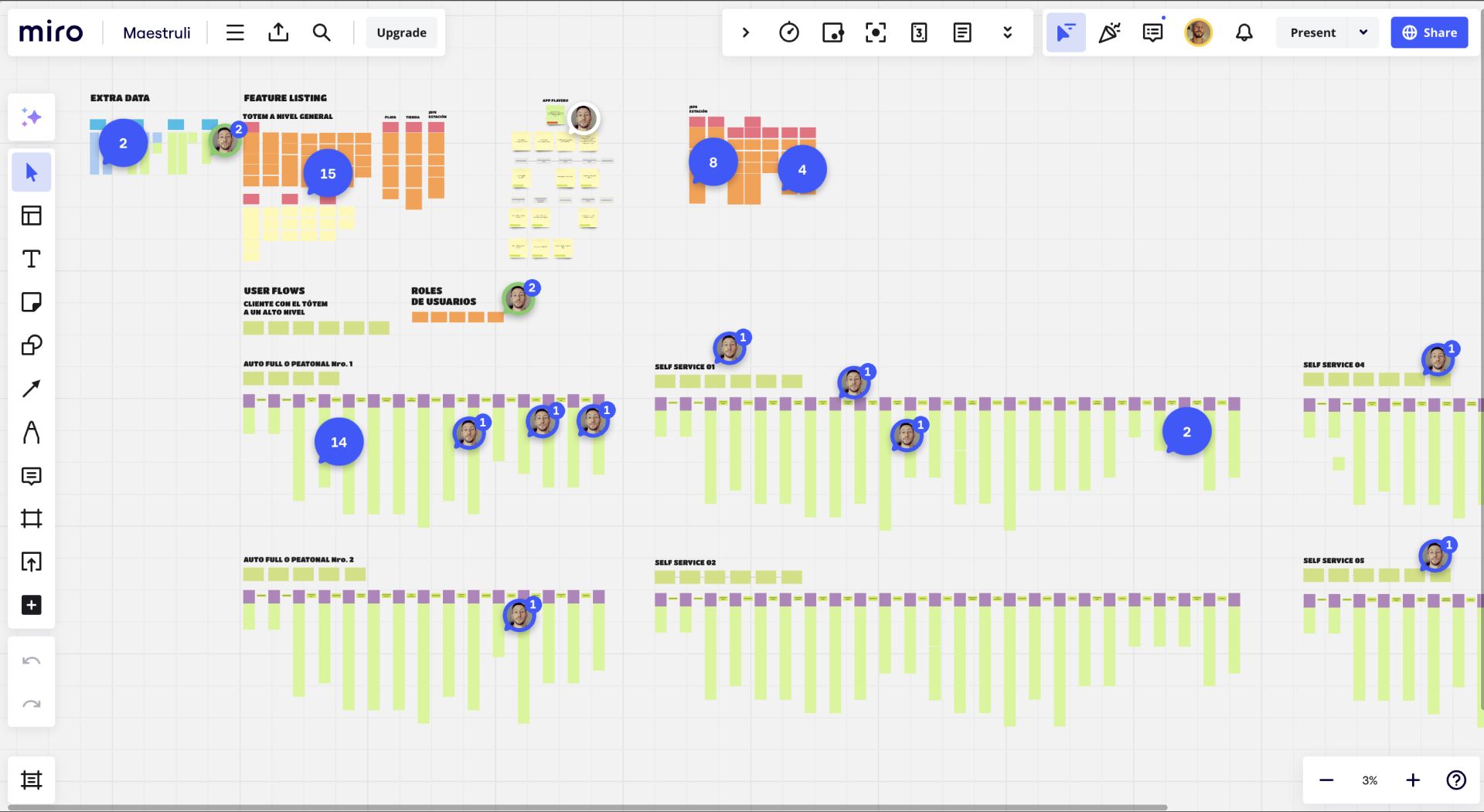
The inherited flows, roles, and open decisions on one board. 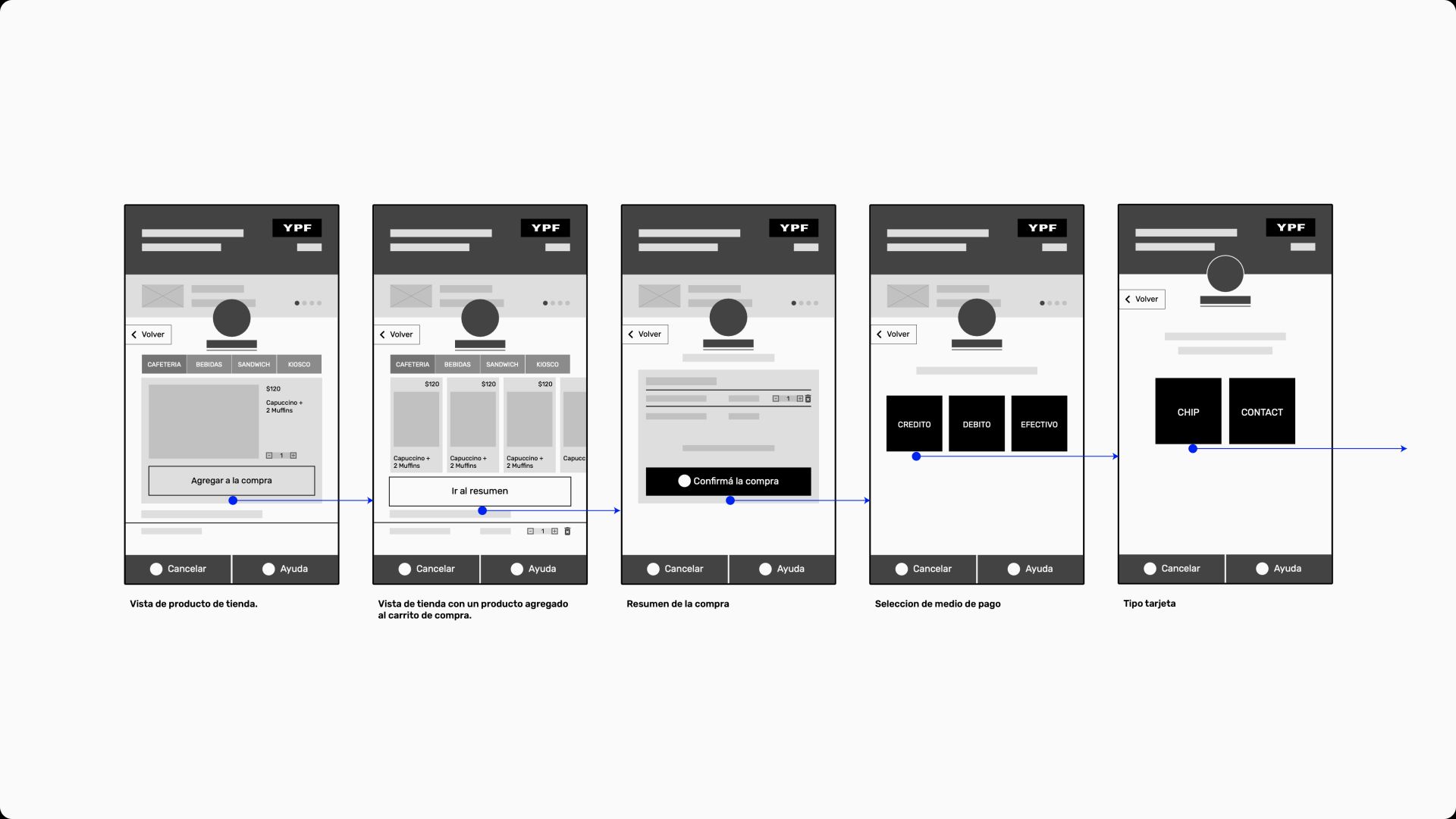
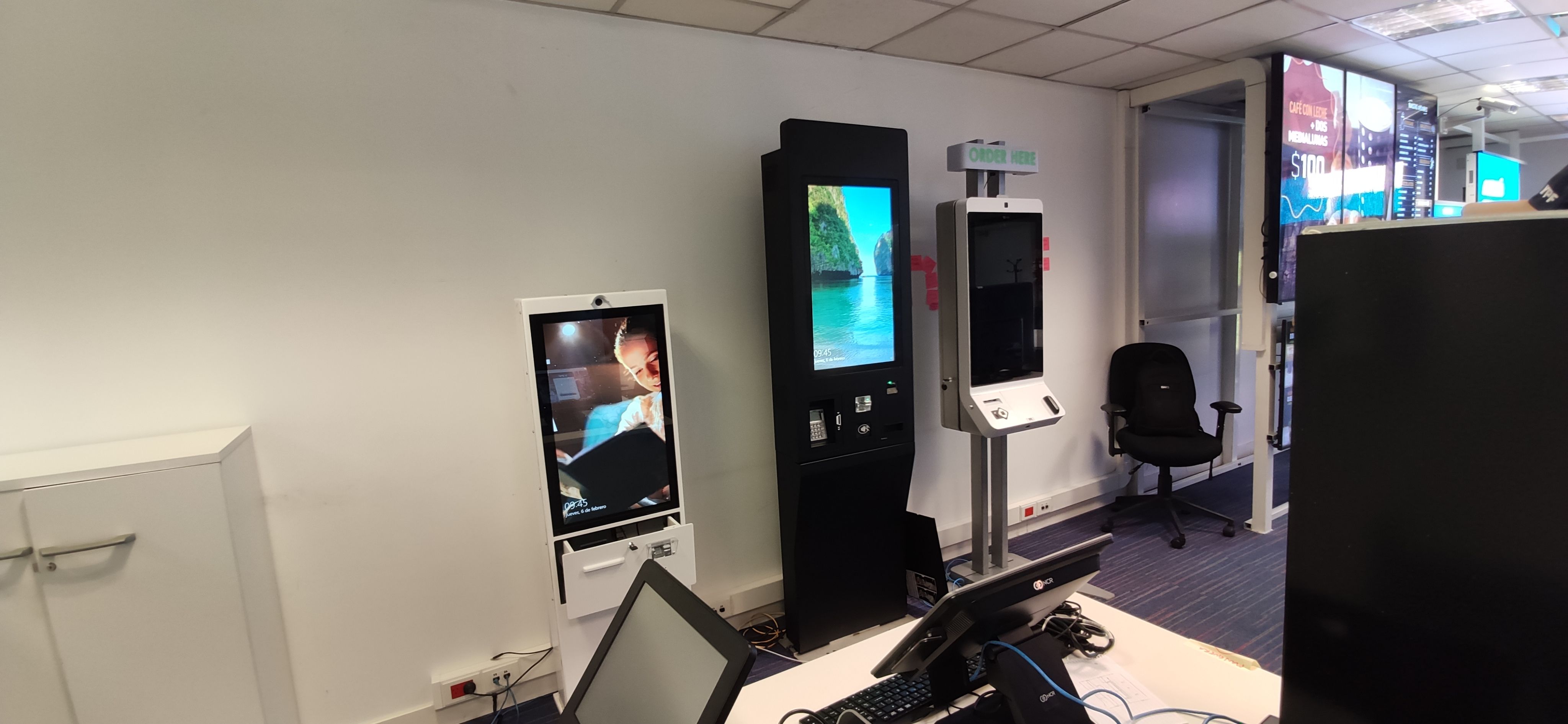
The payment path redrawn in the lab, beside Engineering.
YPF had commissioned research, discovery, and early prototypes before Edrans joined the project through AWS LATAM. Software Engineering received Adobe XD files and a delivery date, but several states and dependencies were still open.
My manager asked me to audit the handoff with frontend criteria. I worked through the gaps with the engineers who had to implement them, then presented our findings in five-day sprint demos. My manager and YPF made the final scope calls.
Payment was one gap. The kiosk could not know the final amount when someone chose a full tank. The team adapted a temporary card hold, similar to a rental deposit. I designed and specified the screens around it.
One item per tap became a full catalog.
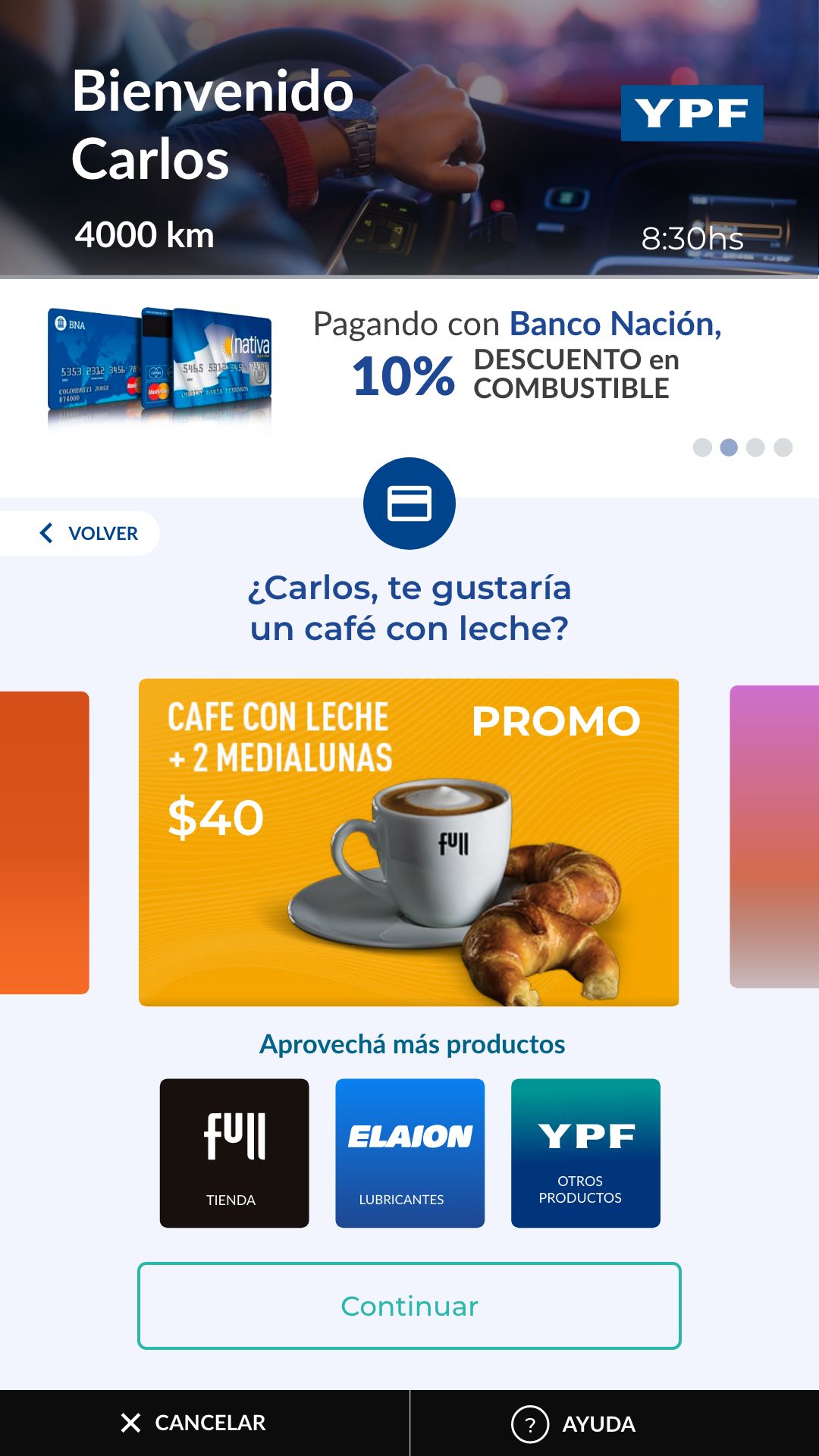
Inherited: one offer at a time. 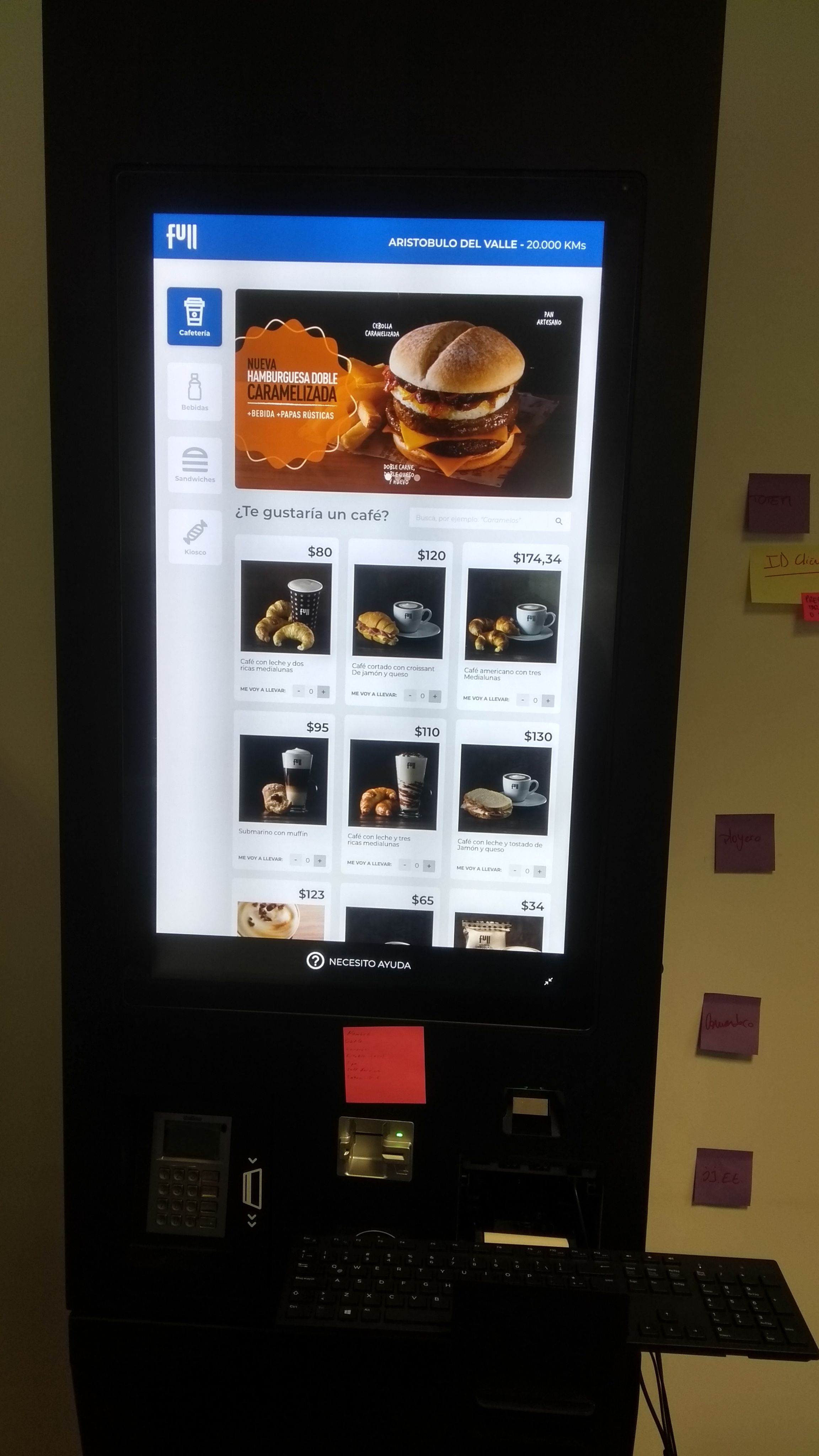
Shipped: several products stayed visible while the cart updated.
The inherited product picker moved one item per tap. During a lab session, the YPF project lead, another YPF teammate, and I sketched a different behavior on a whiteboard.
I looked at how McDonald’s kiosks and Pinterest let people scan many choices. The catalog kept several products visible, let people add more than one without leaving the list, and loaded more as they scrolled. Engineering implemented it.
One build carried both themes.
Engineering implemented the inherited direction first, which respected the work and commitments already in place. I designed an alternative over the same frontend structure and data layer.
YPF saw both running in the lab and selected the alternative. The theme changed. Engineering did not have to rebuild the product.
Plate first. DNI as fallback.
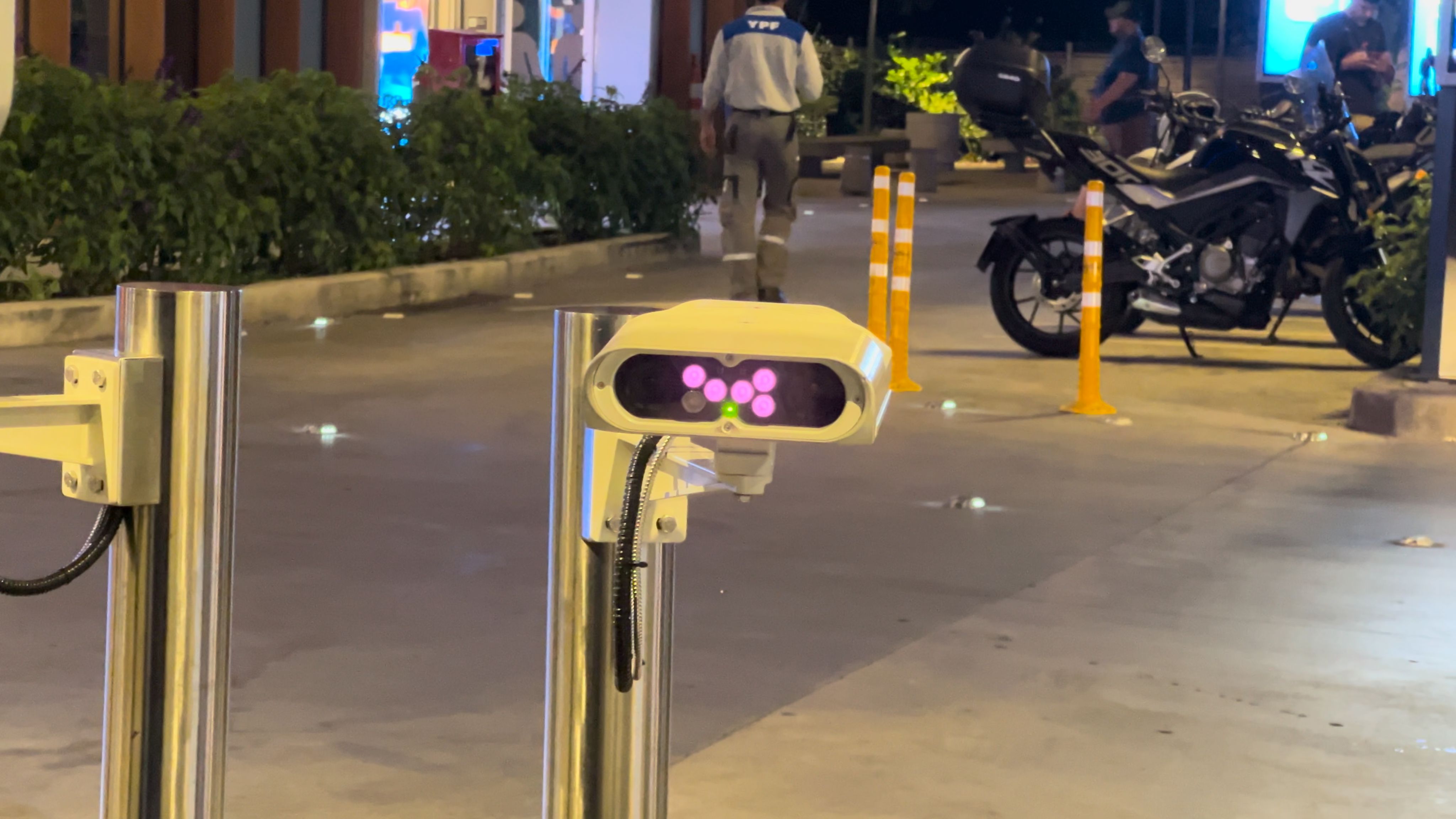
PoC: identify the vehicle before anyone touched the screen. 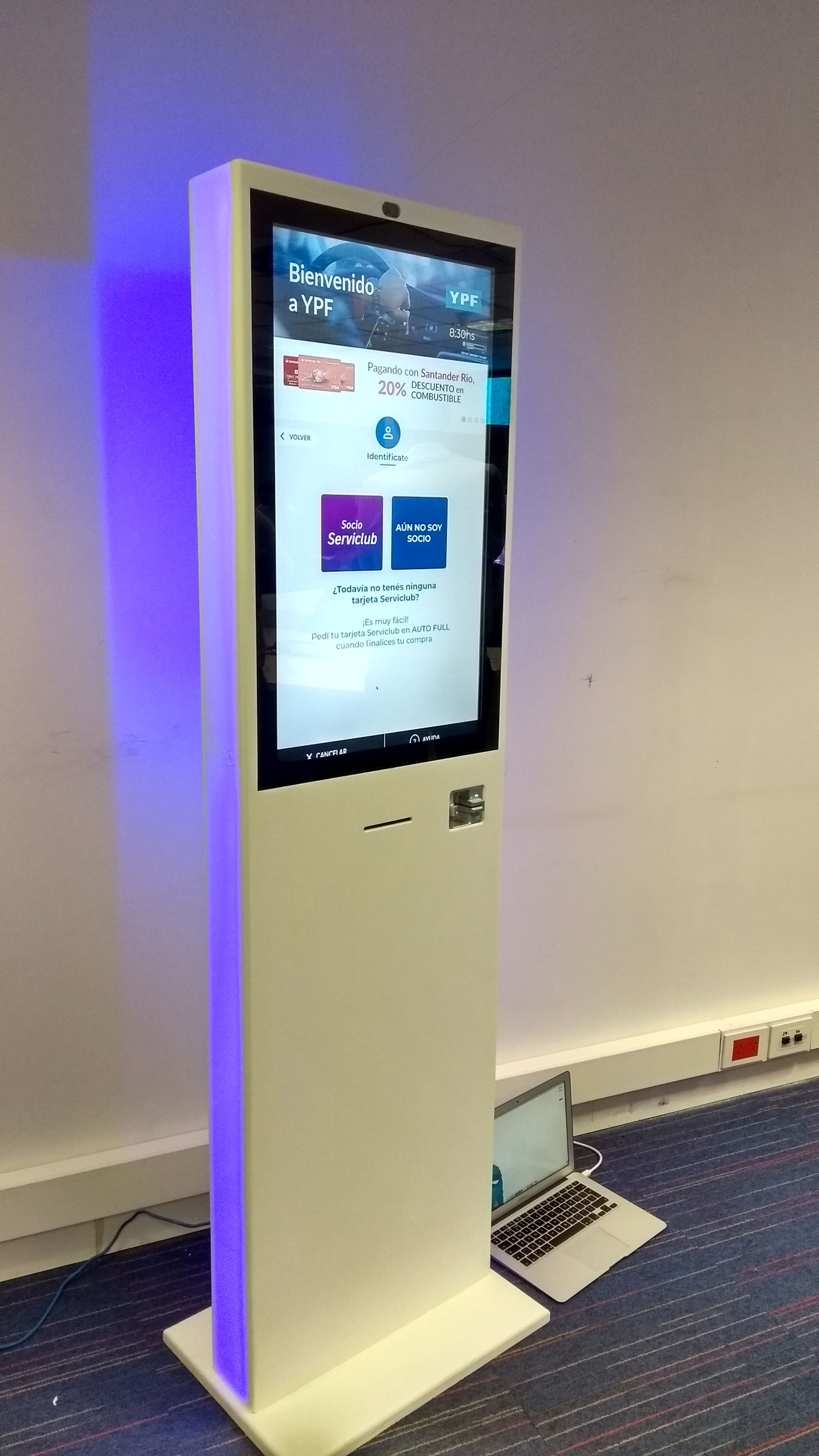
Fallback: enter a DNI or continue without an account.
Automatic recognition was the ideal entry point, but the PoC showed it was not reliable enough to own the journey. A Serviclub member could enter a national ID number, or DNI, instead. Someone without an account could keep going as a regular station customer.
The kiosk reached the station.
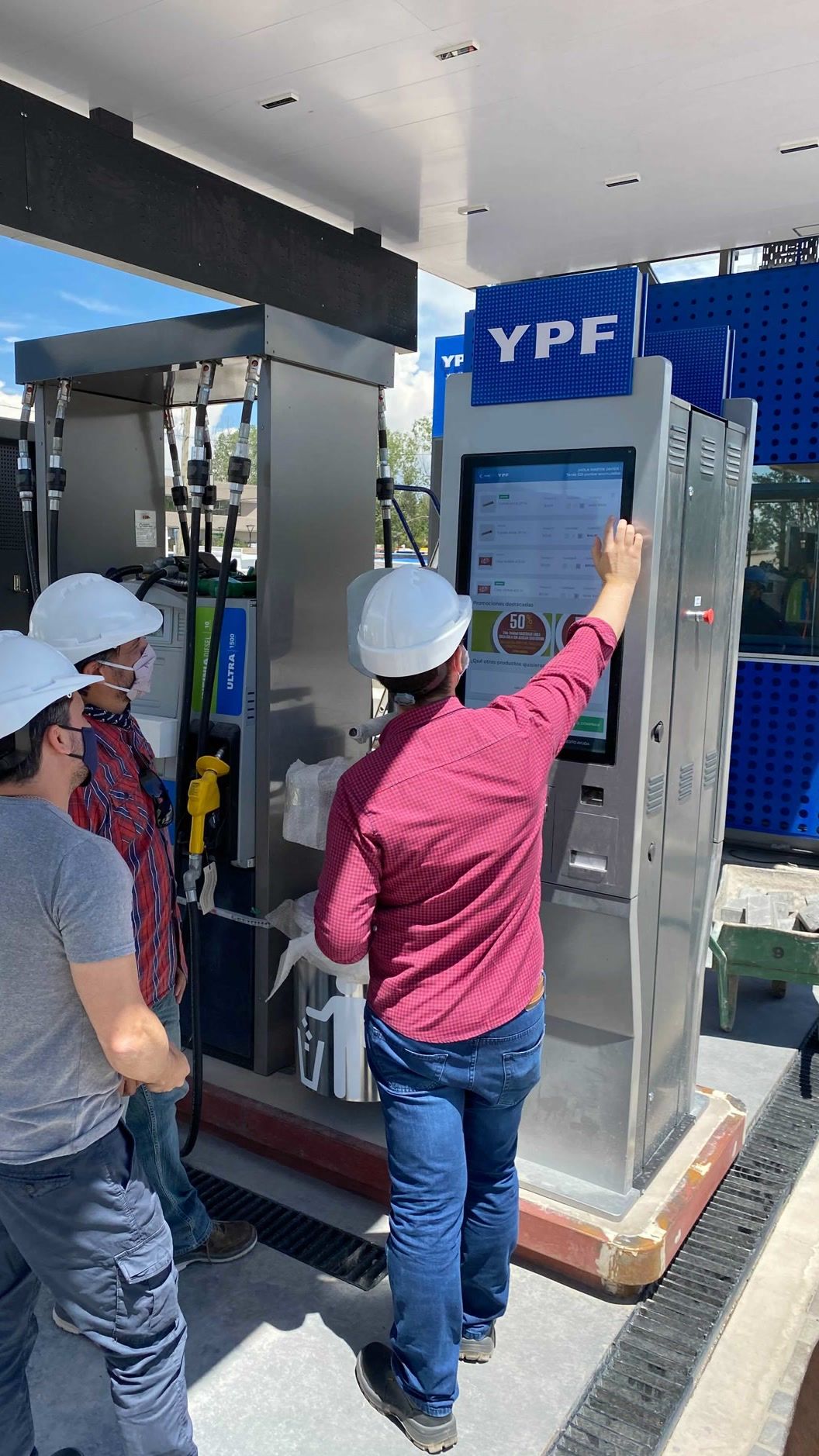
Pre-opening test in Luján de Cuyo, Mendoza. 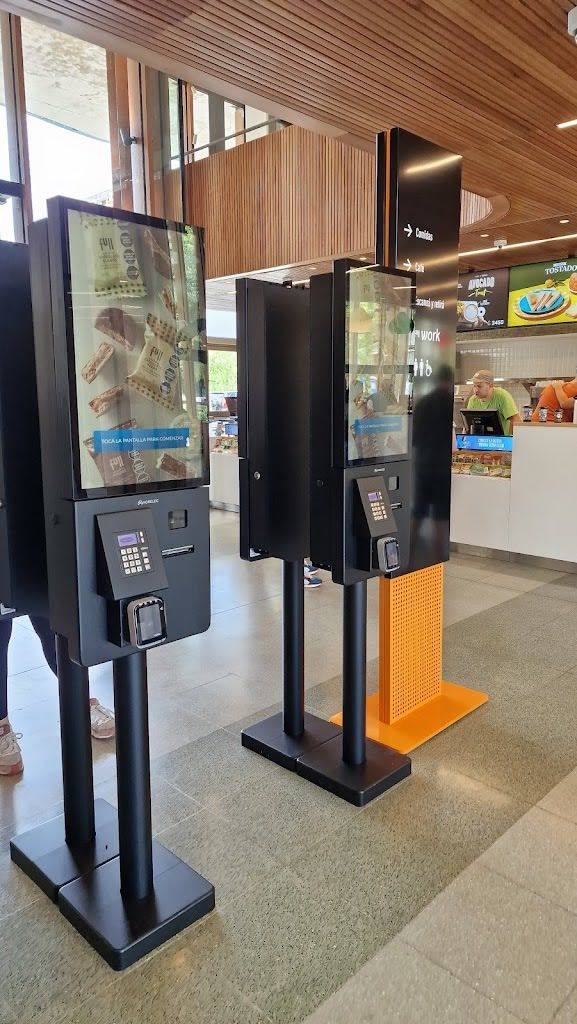
My father took this photo after Figueroa Alcorta opened.
Luján de Cuyo was nearing completion when the pandemic interrupted the rollout and I moved into a Brand Lead role. I handed the product context to the designer who continued the work. I did not take part in later station implementations.
That was how I learned the same kiosk direction had reached Buenos Aires. The ordering flow had changed very little, so I went to see it myself.
Get in touch
Want the full, NDA-safe walkthrough? Happy to talk it through.